































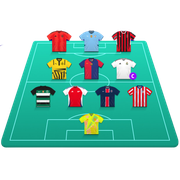

My Matchday 1 draft starts with three captaincy routes, one for each playing day, and 15 players who have a credible chance of starting. That sounds less exciting than squeezing in every premium forward. It will feel rather more exciting when the manual substitutions begin.
The checked Matchday 1 deadline is Tuesday 8 September at 17:45 BST. The opening round runs across Tuesday, Wednesday and Thursday, creating more substitution and captaincy decisions than a normal two-day matchday. Build around confirmed starters and preserve options across all three days.
Start with squad structure
Select two playing goalkeepers, five defenders with reliable minutes, five midfielders covering more than one price point and three forwards with at least one strong captaincy candidate. Remain within €100m and the three-player-per-club league-phase limit.
My preferred draft has a premium captain in attack or midfield, several mid-price players with secure roles, and a bench that actually plays. Avoid completing the first XI before considering the substitutes. Four useful bench options can rescue poor early scores and protect against unexpected absences.
Build by playing day
Tuesday starters should generally begin in the XI because their points can be assessed first. Wednesday and Thursday players can sit on the bench if formation permits, ready to replace low scorers. Do not bench an elite option merely to create a substitution: day order is a tiebreaker after expected points, not a substitute for quality.
Goalkeepers on different days create a choice if the first score disappoints. The same principle applies to outfield players, with up to four manual substitutions available during the matchday.
Create a three-stage captain plan
Select a Tuesday captain with a credible ceiling and retain Wednesday and Thursday alternatives. Decide switch thresholds before matches begin. Moving from a respectable return to a later captain is a risk because the original double score is lost and the decision cannot be reversed.
The best late captain is not automatically the most expensive player. Consider opponent, penalties, minutes and expected attacking role. A three-day matchday offers flexibility, but it also creates more opportunities to discard a good score unnecessarily.
Balance premiums and enablers
Two or three elite attackers can work only if cheaper selections have verified starts. If the bench is filled with non-playing names, the squad gives up one of UCL Fantasy's central advantages. Ask what each budget player enables and whether the upgrade is worth the loss of security.
Keep flexible price points. An emerging midfielder or forward should be reachable without dismantling the team. Two free transfers arrive before later league-phase rounds, but the initial draft should aim to use them for opportunities rather than immediate repairs.
Think beyond one fixture
Review at least the first three opponents. A Matchday 1 specialist can be selected when the exit is planned, while a player with a strong run may deserve patience after one blank. The league phase contains eight distinct opponents, so no single fixture should determine the entire structure.
Do not plan Matchday 8 like the opener. All 18 final league-phase games kick off together, removing manual changes. Secure starters become especially important by that stage.
Final deadline checks
Recheck injuries, suspensions, late transfers, expected starts and official line-ups for the first kick-offs. Confirm the captain, bench order and formation, then save the team before 17:45 BST.
Build against the Matchday 1 schedule, compare alternatives in Compare Players, track uncertain selections in the Watchlist and test future moves in the Transfer Planner. A strong MD1 draft is not the one with the most famous names; it is the one with reliable minutes, clear captaincy routes and enough flexibility to use new information.