































I rarely buy a player for one green fixture. The league phase gives every club an eight-match route, and the useful edge comes from finding two, three or four-game runs that suit a player's role and your transfer plan.
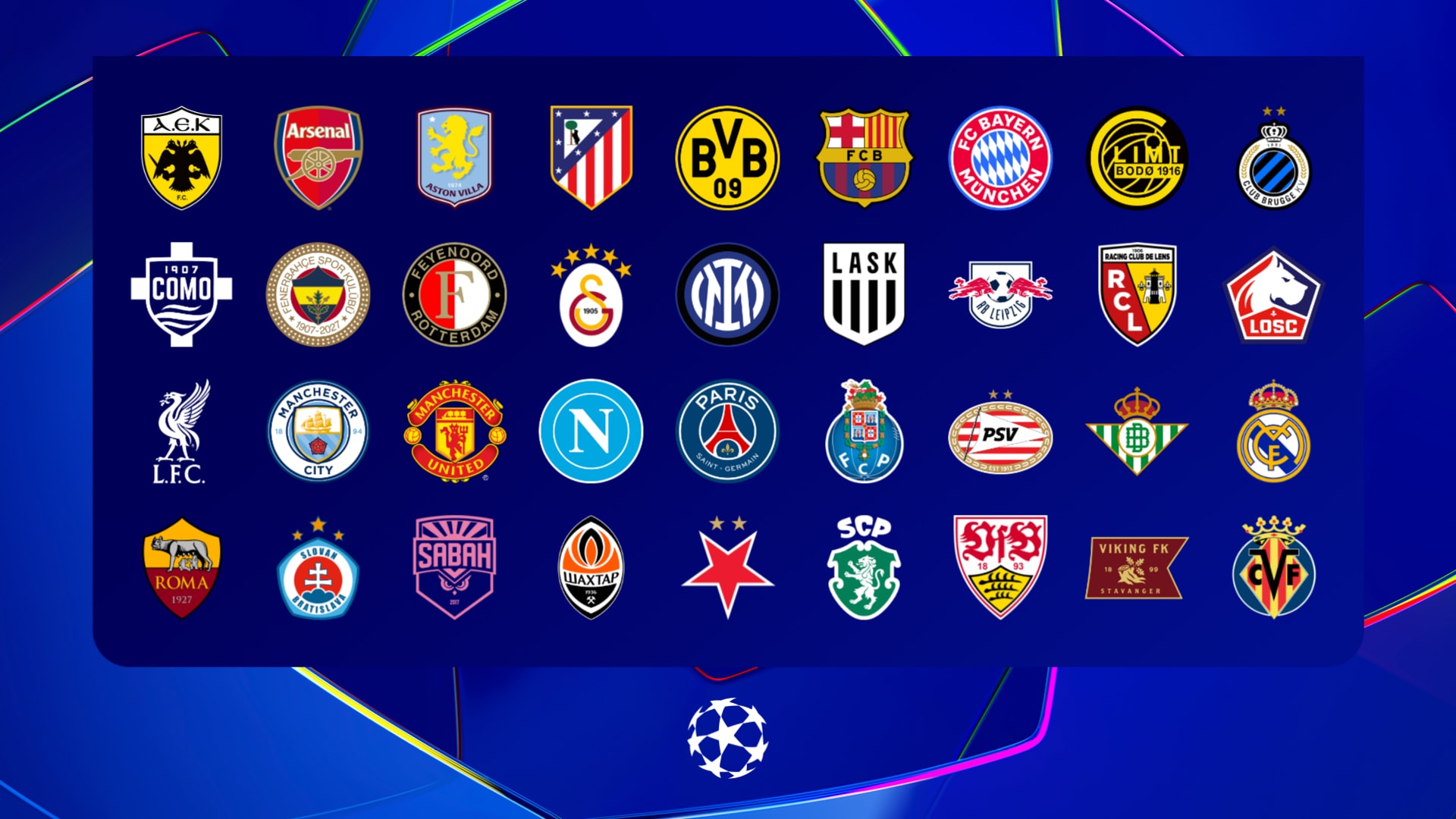
Each of the 36 clubs has eight league-phase fixtures, one in every matchday. That makes schedule shape more useful than judging a team from Matchday 1 alone. The confirmed phase begins on 8 September and ends with all 18 Matchday 8 games played simultaneously on 27 January.
Look for runs, not isolated colours
Compare blocks of two, three and four matches. Note home advantage, opponent strength and the timing of difficult away trips. A strong opening pair can justify a short-term pick; a sustained run can support a longer hold. The Fixture Ticker lets you change the starting matchday and stretch length so the ranking answers the actual planning question.
A colour rating is a useful summary, not a prediction. Two fixtures with the same difficulty can demand different decisions if one club rotates heavily, another has a secure penalty taker, or the matches fall on different playing days.
Separate attack and defence
The best attacking schedule is not automatically the best clean-sheet schedule. A strong opponent may still concede chances, while a supposedly easy opponent may offer little space. Assess goal threat and defensive probability independently, then consider how a player actually earns points.
For attackers, look at likely possession, chance volume and set-piece opportunity. For defenders, combine clean-sheet prospects with saves, recoveries and attacking routes. This prevents a single overall fixture rating from being applied blindly to every position.
Use the calendar mechanics
Matchday 1 spans three days, so Tuesday players can be assessed before Wednesday and Thursday options enter. Most later matchdays use Tuesday and Wednesday. A balanced squad across those days creates more captaincy and substitution decisions, although quality should never be sacrificed solely to manufacture a later fixture.
Matchday 8 is the exception. With all games at the same time, there is no second-day repair. Favour secure starters and treat the bench as protection against unexpected absences rather than an active substitution plan.
Plan the entry and exit
Every short-term selection needs a plausible next move. Two free transfers per league-phase matchday create flexibility, and one unused transfer can roll, but repeatedly fixing one weak slot wastes that advantage. Before buying a player for a favourable two-game run, identify the opponent and price point you could move to afterwards.
Chips should also be viewed through runs. Limitless is most powerful when expensive players across several clubs share a strong matchday. Wildcard is better when the improvement continues beyond one round. Neither should be triggered by a single red fixture or disappointing score.
A repeatable fixture workflow
First rank the desired stretch. Second, open the relevant team pages and check the exact home-away sequence. Third, separate attacking and defensive targets. Finally, compare minutes, role and price before selecting an individual. Fixtures narrow the field; they do not replace player analysis.
Review the authoritative 144-match fixture list and use the team pages for all eight opponents. qualifying games are deliberately excluded because UCL Fantasy begins with league-phase Matchday 1.