
LATEST NEWS


















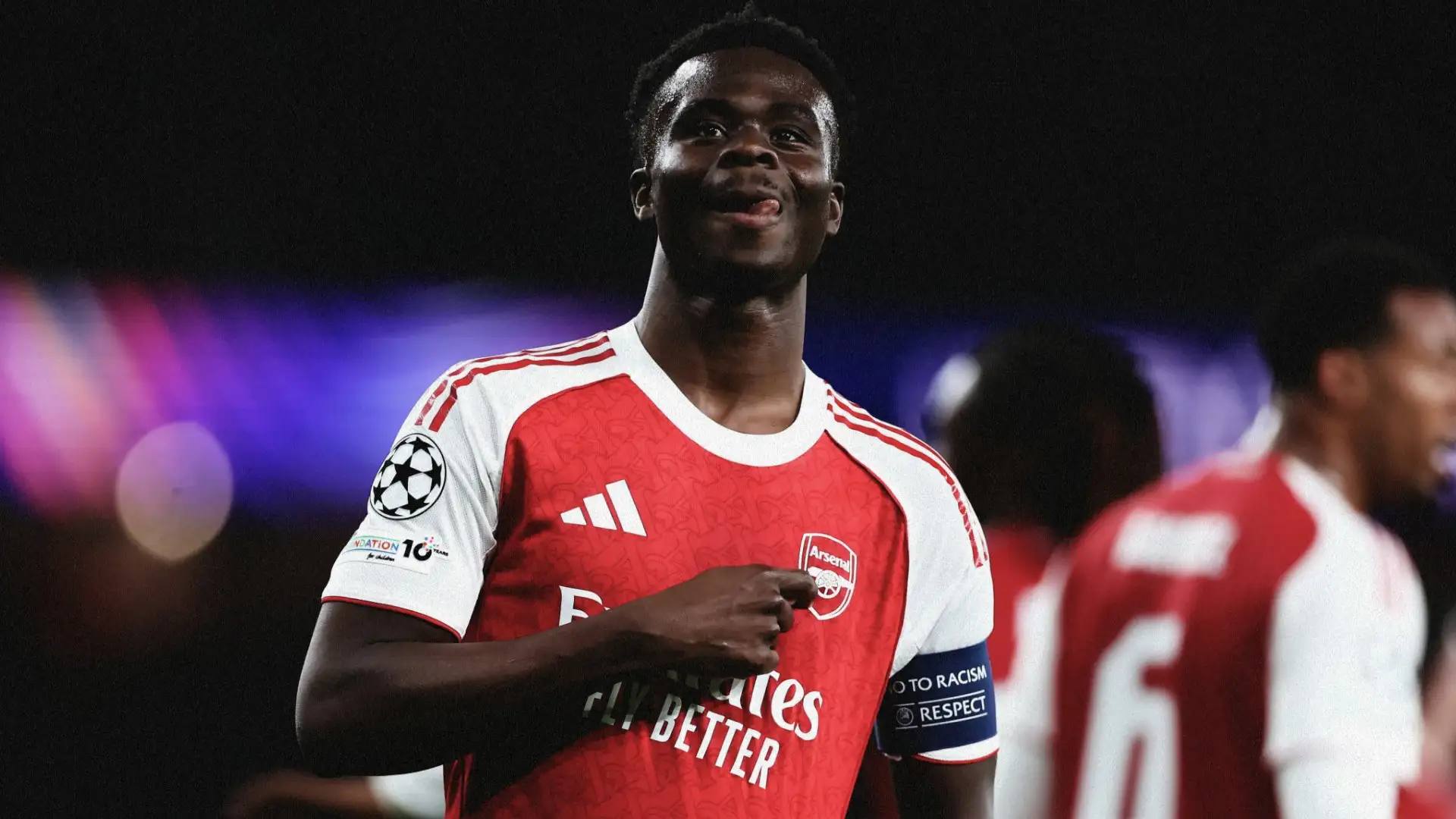
Arsenal Reach First UCL Final In 20 Years, Arteta Gets His Biggest Night Yet
A 1-0 win over Atlético Madrid was enough. Arsenal turned the tie around, won 2-1 on aggregate, and gave Mikel Arteta his first Champions League final as a manager, plus the club’s first appearance at this stage in two decades.
There are wins that feel procedural, and there are wins that feel like a shift in a club’s history. This was the second kind.
Arsenal did not need a wild night. They needed control, nerve, and one decisive moment. They got exactly that. The 1-0 second-leg win was enough to flip the tie, erase the first-leg deficit, and send them into a Champions League final for the first time in 20 years.
That line alone carries the weight. Twenty years. A generation of almosts, rebuilds, detours, and false starts. Now they are back, and they are going there with Mikel Arteta leading them into the biggest night of his managerial career.
Arteta’s biggest checkpoint yet
Arteta has already changed the texture of Arsenal. He has made them harder, calmer, and far more structurally serious than the soft-edged versions that used to drift out of elite ties. But this felt different. This was not just about style points or league consistency. This was about handling a semi-final under pressure, against an opponent built to make the game ugly, and still finding the route through.
That is why the first-final angle matters so much. This is not simply Arsenal returning. It is Arteta proving he can carry a team all the way to the last weekend of the competition.
What makes this result historically big
- Second leg score Arsenal 1-0 Atlético Madrid
- Aggregate Arsenal win 2-1
- Arteta milestone First Champions League final as manager
- Club milestone First UCL final in 20 years
And the deeper point is this. Arsenal did not reach the final by becoming chaotic. They reached it by becoming trustworthy.
A tie won with maturity, not panic
That was the most striking part of the night. Arsenal were the team with the emotional burden, the team chasing the tie, the team expected to force the game. Yet they rarely looked rushed.
Atlético tried to drag the match into the familiar places, compact lines, slowed rhythm, frustration, the sense that one loose touch could change the whole night. Arsenal largely refused to lose themselves in that version of the game. They kept territory, kept pressure, and kept their defensive shape intact long enough for the tie to bend back in their favour.
That is the real compliment. They did not just beat Atlético. They beat the type of match Atlético wanted.
The fantasy angle changes now
This result matters immediately for UCL Fantasy, because finals change the decision tree. The player pool compresses again, the security premium gets even bigger, and every role becomes more valuable because there is no second leg left to correct mistakes.
Arsenal qualifying means their core assets will now become central to final-week structure decisions. Not just because they are popular, but because the balance of floor and ceiling is unusually clean.
Immediate fantasy takeaways from Arsenal reaching the final
- Arsenal defence Back in focus for clean-sheet and recovery routes
- Arteta’s core names Minute security becomes more valuable than ever
- Attacking picks Saka-tier assets become premium final-week conversation pieces
- Squad construction Arsenal now shape the final template, not just the hedge
If you have been treating Arsenal as a solid semi-final team with one or two sensible picks, that framing has changed. They are now one of the final’s anchor sides. That shifts ownership, captaincy conversations, and the way managers will think about structure.
Why Arsenal defenders may be the first place serious managers look
The obvious post-match reaction is to zoom straight to the attackers. That is understandable, especially after a night loaded with emotion. But from a fantasy perspective, the more interesting angle may still be the defensive core.
In one-off games, reliability is oxygen. Arsenal defenders and goalkeeper routes offer exactly that. They have shown all season that they can deliver through clean sheets, recoveries, and the kind of control-based performances that do not need a track meet to generate points.
That matters because finals are often tighter than the storylines around them. The market loves stars. Fantasy edges often come from reading the game state better than the crowd.
The attackers still get the glamour, and rightly so
That said, finals are also legacy games, and Arsenal now have attackers who will go into that last match carrying real emotional and tactical weight. The fantasy appeal is obvious. These are players who should have role clarity, volume, and a team built to support them rather than survive around them.
The key is not to overreact in the wrong direction. Do not confuse an emotionally huge qualification with a guarantee that the final will turn into a shootout. The best fantasy build may still be one that respects Arsenal’s control before it chases only their headline names.
The bigger story is that Arsenal belong here again
It has been 20 years since Arsenal last reached this stage, and that gap matters because it changes how a club imagines itself. Finals are not just events. They are proofs of concept.
This run says Arsenal are no longer visiting the elite end of Europe. They are trying to live there again.
And for Arteta, that is the real reward. He has not just improved Arsenal. He has taken them back into the room every top manager wants to enter, the one where a season can be remembered forever.
Final fantasy verdict
From a UCL Fantasy point of view, Arsenal reaching the final is not just a football story. It is a structural event.
Their qualification creates immediate pressure on team builds. Defensive routes look stronger. Their core names become harder to fade. Their attackers become premium final-week discussion points. And because this is a one-off final, every minute-security edge becomes even more important.
Emotion will drag plenty of managers towards the glamorous names first. The sharper play may be to remember what got Arsenal here: control, trust, and a spine that never lost its nerve.
That is not just how they reached the final. It may be how the best fantasy teams end up being built for it too.